editorial · April 10, 2026
Why the Mediterranean
Salt has been harvested from this stretch of sea for two thousand years. Here's why it still tastes different.
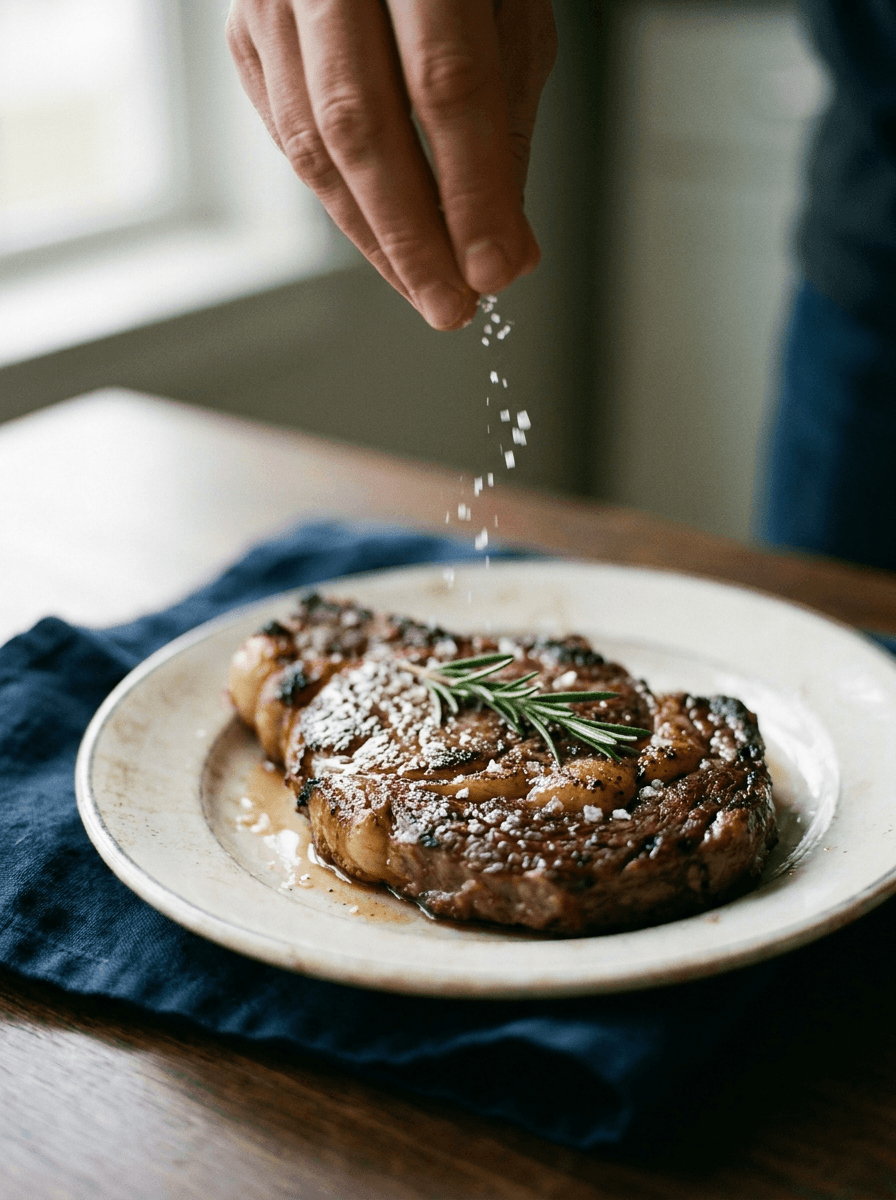
Phoenician traders followed it up the coast. Roman cooks paid soldiers in it. Provençal grandmothers measured it by the hollow of a palm. The Mediterranean salt pans have been working for so long that "salary" comes from the Latin word for salt.
What makes the sea different here
The Mediterranean is a basin. Water comes in through the Strait of Gibraltar. Evaporation outpaces inflow. The result is one of the saltiest seas in the world — and the mineral signature, by extension, is one of the most concentrated.
The harvest hasn't changed
- Shallow basins (clay-lined, hand-built)
- Sun and the *mistral* wind
- A wooden rake and a flat-bottomed boat
- A two-thousand-year-old rhythm of tides and seasons
There is machinery for industrial salt. There isn't, for ours. The salt finishes on its own schedule. We gather it that week, dry it under cover, and ship.
Why the flavor lands different
- Higher trace mineral count than mined salts (Himalayan)
- Higher magnesium than Atlantic / Pacific harvest
- Lower sodium per pinch than refined table salt
- Crystal structure preserved (no anti-caking agents)
It's not magic. It's geography and time. Two ingredients the supermarket box doesn't have access to.